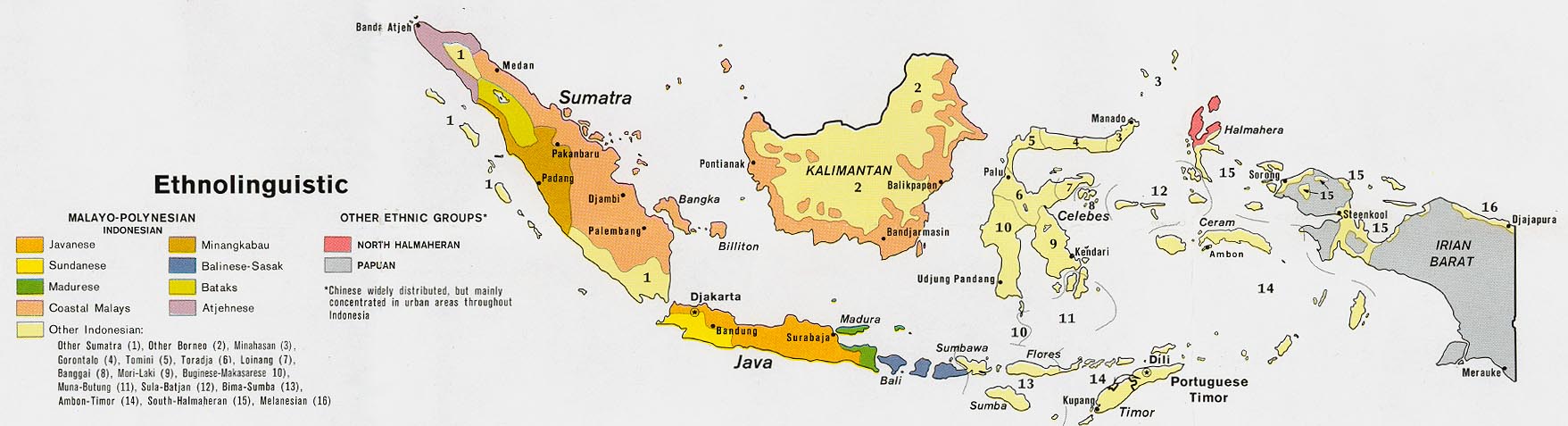
The Pakpak Batak are one of the Batak peoples of northern Sumatra in Indonesia, living mainly in North Sumatra with some communities extending into Aceh. They are especially associated with Dairi Regency, Pakpak Bharat Regency, and nearby upland districts. Their language is Pakpak, also known as Batak Dairi or Pakpak Dairi, a Northern Batak language within the Austronesian family. The Pakpak are not simply a generic branch of the wider Batak identity; they maintain their own speech, customary patterns, and local clan structures within the larger Batak world.
Historically, the Pakpak have been tied to the highland and hill-country societies of North Sumatra. Academic work on the Pakpak notes that they are commonly described through several traditional territorial groupings, reflecting long-standing local identities rather than a single uniform social block. That fits the broader Batak pattern of strong kinship structures, inherited land ties, and durable customary law.
The Pakpak Batak are often associated with inland villages, upland farming communities, and smaller regional towns rather than major coastal cities. Family life is strongly shaped by clan identity, kinship obligations, and inherited social structures, which is common across Batak societies. In practice, this means extended family often carries real weight in marriage decisions, land matters, conflict resolution, and ceremonial life. Broader Batak studies consistently describe these societies as highly relational and lineage-conscious, and that pattern fits the Pakpak as well.
Their livelihoods are commonly tied to farming, local trade, and small-scale craftsmanship. In Pakpak-speaking areas of North Sumatra, rural life is still substantial, and the language remains in daily use even while many also speak Indonesian in wider public settings. Meals in that part of Sumatra commonly center on rice, vegetables, chili-based dishes, cassava, and locally available meats or fish, though highly specific food patterns for the Pakpak themselves are not always well documented in widely accessible sources. Traditional clothing and symbolic textile use remain meaningful, and recent cultural studies on Pakpak motifs and ceremonial cloth point to a strong concern for social solidarity, mutual care, and inherited identity. Recreation and festivals are often communal: weddings, family gatherings, church events, traditional ceremonies, music, and shared meals remain central rather than highly individual entertainment.
The Pakpak Batak are mostly Christian, and unlike some smaller people groups, they should not be treated as having little or no gospel witness. There is a substantial Christian base among them, especially through Protestant and Catholic traditions. At the same time, traditional spiritual assumptions can still linger beneath outward Christian identity in some communities. Where ancestral fear, ritual dependence, or customary spiritual mediation remains influential, the issue is not lack of exposure to Christianity but the need for deeper biblical conviction and wholehearted trust in Christ alone.
Because there is already a strong Christian presence, the greatest spiritual challenge is often depth rather than first contact. Some may identify with Christianity culturally or institutionally without showing mature discipleship, doctrinal clarity, or a clear break from older spiritual patterns. Scripture resources are reported as available in their language.
The Pakpak Batak need strong churches marked by biblical depth, faithful leadership, and genuine discipleship. Since they already have a broad Christian presence, the central need is not simply more religious identity but mature believers who know the gospel clearly, reject syncretism, and live under the authority of Scripture. They need pastors, teachers, and families who will model repentance, holiness, and endurance in everyday life.
They also likely face practical pressures familiar to upland communities in North Sumatra: access to stronger education, dependable health care, and stable economic opportunity beyond subsistence or small-scale local work. Language shift toward Indonesian may also place pressure on intergenerational cultural continuity, especially in younger generations. Practical development matters, but in a people with an established Christian base, the deeper need is for spiritual maturity and a missionary-minded church life.
Pray that Pakpak Batak believers would grow in deep biblical conviction and reject every form of nominal or blended Christianity.
Pray that the Lord would raise up faithful pastors, teachers, and spiritually strong families among them.
Pray for stronger access to education, health care, and stable livelihoods in Pakpak communities.
Pray that Pakpak Batak Christians would become a gospel force to other Indonesian peoples who still lack a clear witness to Christ.
Scripture Prayers for the Batak Pakpak in Indonesia.
https://www.ethnologue.com/language/btd/
https://en.wikipedia.org/wiki/Pakpak_language
https://en.wikipedia.org/wiki/Pakpak_people
https://www.jstor.org/stable/41492901
https://theartsjournal.org/index.php/site/article/download/1178/577/4362
https://www.ijrrjournal.com/IJRR_Vol.11_Issue. _May2024/IJRR38.pdf
| Profile Source: Joshua Project |